Elvis’s Dark Symphony: How Environment Shapes Creativity

by | Feb 7, 2024

Last month I was “stranded” in Nashville because of some unexpected weather. If you have to be stranded anywhere, Nashville is the place to be.

It gave me a chance to see some of the city’s famous sites: music on Broadway, the Country Music Hall of Fame and RCA Studio B, a spot on music row where Elvis Presley and Dolly Parton recorded many of their songs.

Take a look at this picture of Studio B. Notice anything special?

If you noticed the multicolored lights, you were spot on. According to our tour guide, different colored lights were used to help get the musicians in different moods for songs. Upbeat tunes would be performed in a room bathed in yellow, songs with a nightclub feel would lean toward a red light, while melancholy songs may be accompanied by blue.

How a box inspired a four trillion-dollar industry

On April 3, 1960, in a marathon session, Elvis Presley recorded 10 songs. After each song the producer would come out from the control booth, hand Elvis the same sheet music and ask him to sing it.

Every time Elvis refused.

This refusal went on for 9 songs. It was about four-o’clock in the morning when Elvis finally consented, but with one condition: He was to record the song in the dark.

The producer agreed. The lights are turned off and Elvis recorded the song that he had been avoiding all night.

That recording went on to sell 1.8 million copies. The song? “Are You Lonesome Tonight?”

If you listen closely to that original recording, at the end you will hear a click. That noise was Elvis’ head hitting the microphone because he couldn’t see it.

Elvis understood the importance of the environment for creativity.

You don’t need a multicolored light fixture or a dark room to be more creative, but the environment you put yourself in matters. Here are two things that you can do to create the environment for creativity in your organization.

1. Model openness and acceptance of ideas. Pay attention to your verbal and nonverbal communication. Much of our response to others’ ideas is communicated nonverbally.

According to researcher Albert Mehrabian, over 90% of our meaning is conveyed by our tone of voice and our body expressions and gestures. That leaves only 10% of our meaning conveyed by words.

How do you react when someone shares a new idea with you? Do your words say “yes” but your body expressions say, “no?”

2. Evaluate ideas by considering their PPC- Pluses, Potentials, and Concerns. When someone proposes an idea to you, instead of immediately saying “no”, consider the strengths (Pluses) of the idea, list the opportunities or possible future gains, (Potentials), and then list your Concerns.

Pluses

What is good about the idea right now?

Potentials

What might be the future spin offs, speculations or possible future gains. When you list potentials about the idea, begin with the phrase, “It might…”

Concerns

What concerns or downsides do you see to the idea? Phrase concerns like a creative question beginning with the words, “How to…”

If your concern is that the idea will be too expensive, phrase your concern something like: “How to reduce the cost?” or “How to find the money to fund the project?”

Generate ideas to overcome your concerns. When you phrase your concerns like a creative question, your mind will immediately begin to look for ways to overcome the negatives instead of disregarding the entire idea.

As the author and educator George Leonard wrote: “Acknowledge the negative but accentuate the positive. Telling people what they are doing wrong while ignoring what they are doing right reduces their energy.”

There you have it. Two things that you can immediately do to create an environment in your organization that nurtures creativity instead of destroying it, and you don’t even have to turn the lights off.

Join Me April 3 to 5 for my Applied Creative Problem-Solving Course

Innovate on Demand – Outperform your competition

Competing in our world today is difficult, and it’s not getting easier. To compete and be profitable you need big creative solutions and you need them now.

Join me April 3 to 5 for my Applied Creative Problem-Solving Course and learn how to:

  • Create new ideas on demand that put you miles ahead of your competition
  • Identify the real problem keeping you from moving forward and generate hundreds of ideas to solve it
  • Work with a diverse group of people to help you create breakthroughs on your goals – no case studies here

The course will be held on the historic Roycroft Campus, 25 minutes south of Buffalo in East Aurora, NY.

About Dr. Roger Firestien

Dr. Roger Firestien has presented programs on innovation to over 600 organizations around the world including Fortune 500 corporations, government agencies, universities, associations, hospitals, and religious institutions.

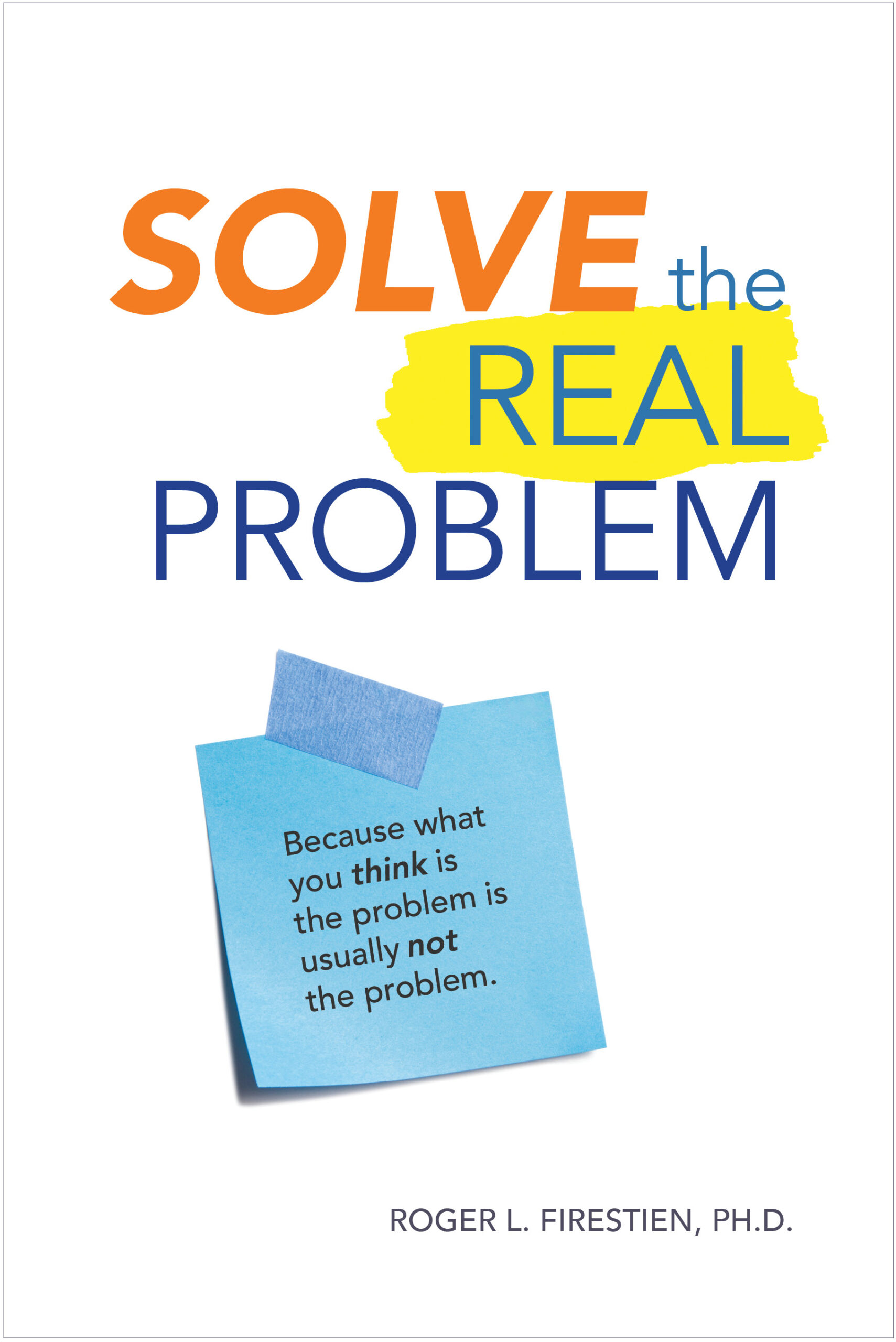
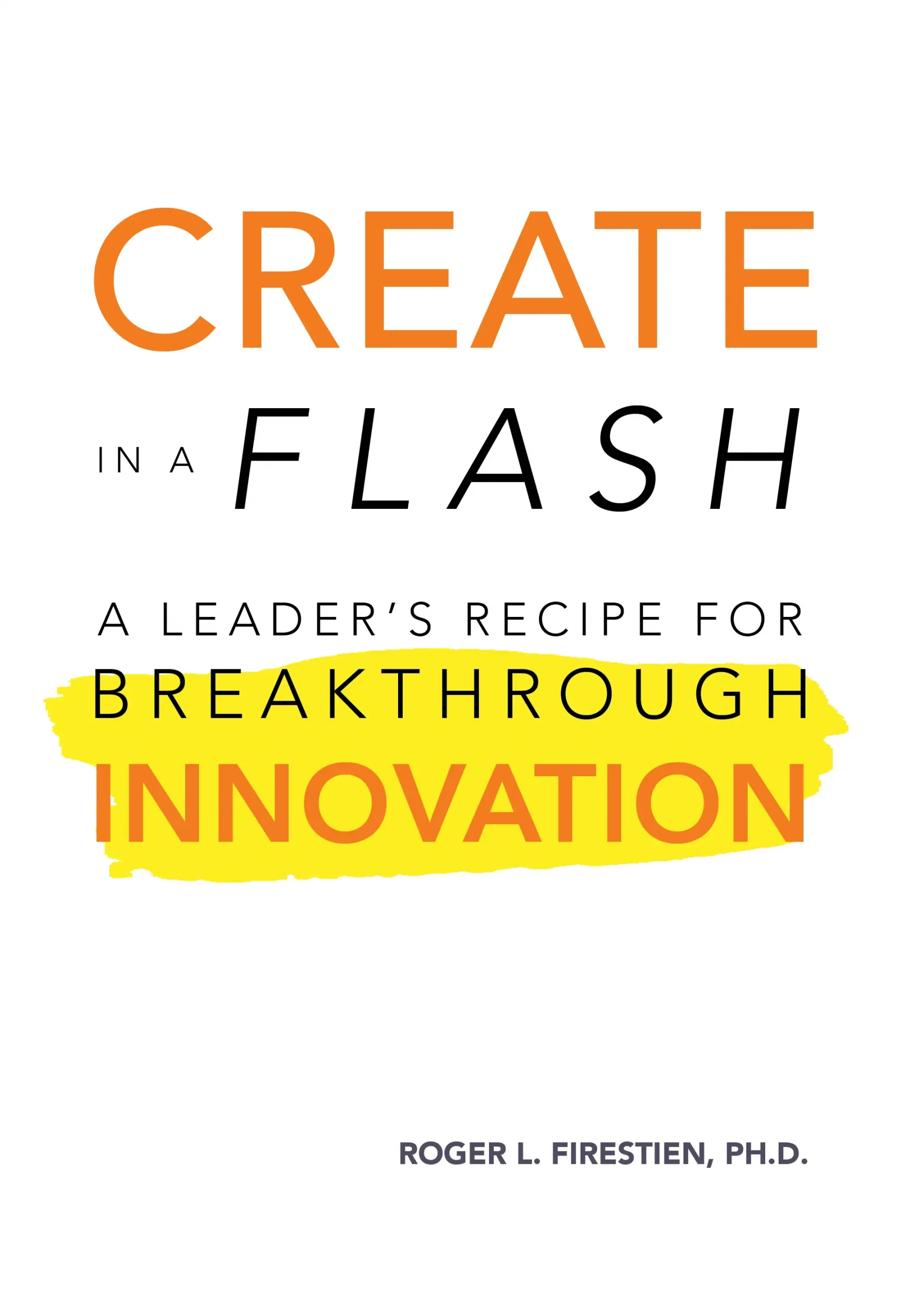
Roger has written seven books and hundreds of articles on the creative process. His books include Why didn’t I think of that? and Create in a Flash. His latest book, Solve the REAL problem is available as an audiobook on Amazon.

Subscribe to Roger's Email List

Sign up for a dose of creativity tools, stories, and inspiration to ignite innovation, brought to you by Dr. Roger Firestien. Just the good stuff, once per month.

Get in Touch

(716) 631-3564 | [email protected]

Books by Roger Firestien

Why Didn’t I Think of That?

A short story shedding an eye-opening light on our classic approaches to work and problem solving.

Create in a Flash

A book for leaders who know that to grow their organizations, they need to generate ideas and solutions on demand.

Solve the Real Problem

Redefining the problem saved thousands of heart attack victims, and saved the airlines over a billion dollars. Learn the simple approach for yourself.

Watch my TedX Talk

In my new TEDx talk, I share the go-to method I use to unlock ideas when inspiration runs dry.

How Roger Can Help:

Keynotes by Roger Firestien

Unleash the power of your creativity

You want everyone in our organization to know how to turn on their creativity at will instead of just waiting for new ideas to “happen.”

Roger’s interactive and inspiring keynote addresses will do exactly that.

Breakthrough Labs

Discover the real problems facing your organization and then generate hundreds of ideas for solving those problems with the Breakthrough Lab.

On-Demand Videos

You and your team are now only a click away from Dr. Firestien’s help to find the solution to any challenge with his nine-part video series on the OpenSesame Learning platform. Watch a trailer and learn more.

Related Articles

Innovation Can’t be “Managed”

Innovation Can’t be “Managed”

During my 47 years in the creativity, innovation, and organizational development business, I have only seen a few formal systems for “managing” innovation that have actually worked. Think about it, even if you are the leader in your organization, you have absolutely...

Smokestacks equal soot. Soot is black.

Smokestacks equal soot. Soot is black.

DuPont makes a countertop product called Corian® — you may have some in your kitchen at home. It’s known for a stone-like finish and performance, but higher durability and longevity than natural countertop products. Corian is made by robotic machines in a big factory....

Take Five Minutes: Solve the Real Problem

Take Five Minutes: Solve the Real Problem

Imagine this: An imminent disaster threatens the planet, and you only have one hour to save it. How would you spend your time? Einstein was asked that very question. “I would spend the first 55 minutes identifying the problem,” Einstein said, “and the last five...

You get to see me cry

You get to see me cry

It was wonderful to host over 125 people at the Seneca One Tower in downtown Buffalo, NY on September 21 for the launch of my latest book, Solve the Real Problem. My talk was recorded. I got a little choked up when I thanked the art director Cassandra Ott and the...

How a box inspired a four trillion-dollar industry

How a box inspired a four trillion-dollar industry

Today container ships move 95% of all manufactured goods around the world. In 2017, more than $4 trillion worth of products moved across the oceans. Today’s global economy doesn’t work without container ships. Putting merchandise in ships started in the third century...

Put the Armor on the Engines

Put the Armor on the Engines

The problem you see is the problem you solve. Discover how getting an outside perspective to an airborne problem saved countless lives in World War II.

It Only Takes a Few Minutes to Find the Best Problem

It Only Takes a Few Minutes to Find the Best Problem

I don’t have time to figure out the right problem to solve. I have to get stuff done. In my new book, Solve the Real Problem, discover how taking just five minutes to define a problem leads to better solutions that really work. Read an excerpt!

Subscribe to Innovation Espresso®

Name
After you click submit, please check your email for a confirmation of your subscription. Thank you!